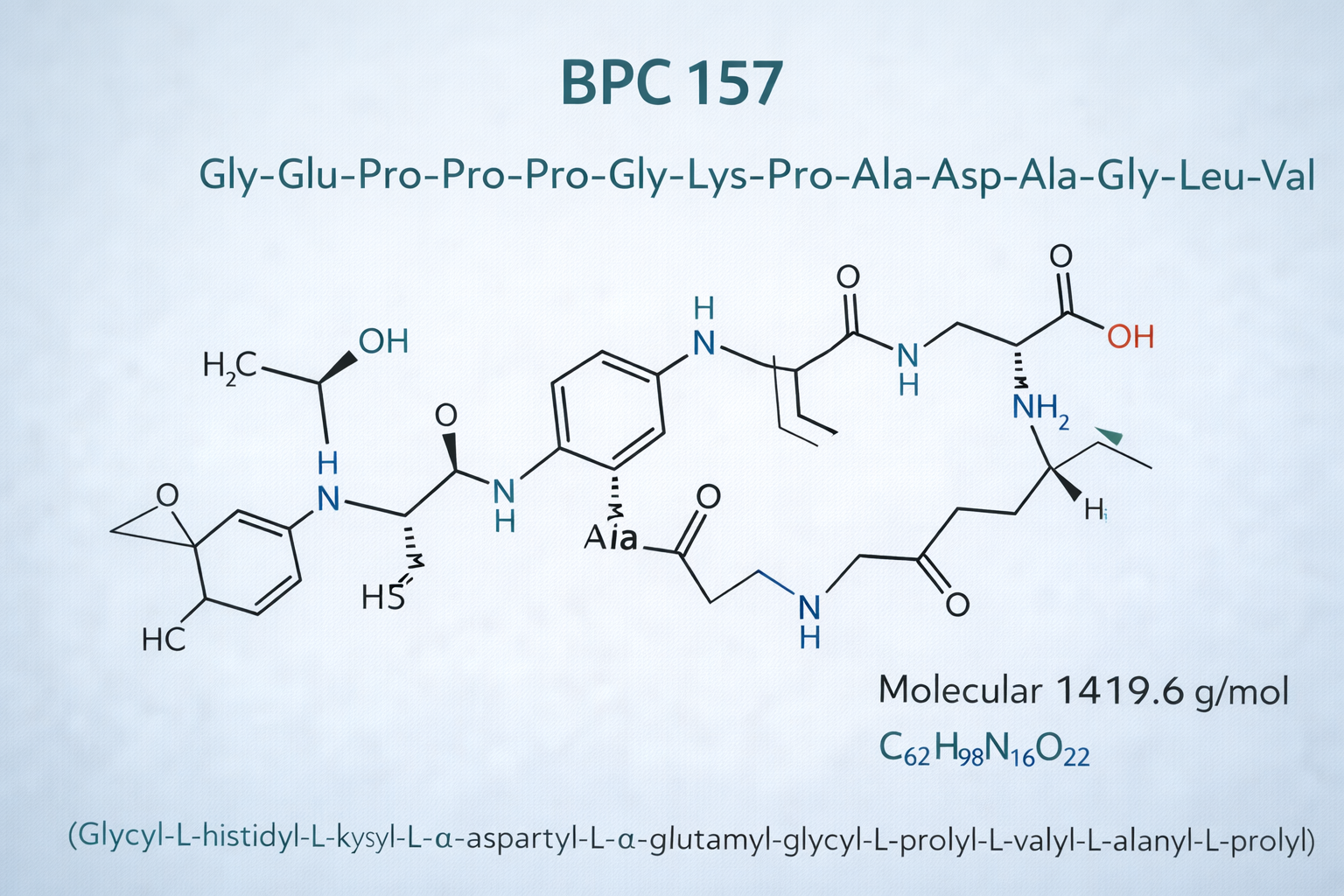
Peptide Testing Laboratories: Your Full Overview To Third-party Confirmation, Pureness Testing, And Quality Control
Peptide Screening Labs: Your Full Guide To Third-party Verification, Pureness Testing, And Quality Control This impressive resource enables scientists to validate products without expense, though delivery expenditures and sample preparation remain your responsibility. https://zanderkqlg037.lucialpiazzale.com/peptide-purity-95-vs-98 For scientists working with details compounds like BPC-157 or TB-500, mass spectrometry verification ensures you're collaborating with the actual substance as opposed to something else totally. This technique divides peptide mixes and measures the relative amounts of various elements. When a COA states "99% pureness by HPLC," this indicates the evaluation revealed 99% of the detected product was the target peptide, with only 1% being impurities. These files apparently validate pureness, identity, and other quality metrics. In technique, this usually includes third-party or independent testing by an outside lab to confirm that a peptide item actually contains what the tag asserts [2] Unlike a supplier's in-house screening, independent third-party laboratory validation is neutral and supplies unbiased results, including reliability through objective logical data. Ensuring that each batch undertakes proper laboratory screening aids verify the peptide's credibility and pureness, which is important for both research study validity and safety and security.
What machine is used to test peptide purity?
Peptide purity is regularly figured out by HPLC (high efficiency liquid chromatography). This technique makes it possible for separation and family member quantification of each peptide synthesized. If paired to a mass spectrometer (MS), this gives molecular mass/ identification information of the target peptide and accompanying pollutants.
Vanguard Verified (silver)
- Purified by preparative RP-HPLC with quality control analysis.
- Nevertheless, for total quality analysis or the characterization of peptides for a range of applications, added logical examinations are recommended.
- In easy terms, HPLC is just how scientists prove that a peptide is tidy, appropriately made, and worthwhile of count on.
- If the numbers do not match, the COA does not confirm that batch.
Can A Peptide Fail Hplc However Pass Mass Specification, Or Vice Versa?
All peptides offered by Peak Research laboratory are designated specifically for in-vitro laboratory research use and are except human usage. Peptide testing documents must be taken Cold Chain Shipping batch-level analytical evidence for research study material, not as clinical-use authorization. Pinnacle's Exactly how to Review a Peptide COA guide goes through this procedure detailed. The companion page on why 99 percent pureness issues clarifies why tiny contamination percents can still matter in sensitive in-vitro assays. Understanding of pureness levels will certainly also direct you if you ever before need a higher purity peptide for an especially delicate assay. Ultimately, getting the purity level right means more trusted science-- and that's the supreme goal for any scientist. BOC Sciences, with its robust logical platform and specialist group, concentrates on quality screening services for peptide basic materials, peptide microspheres, peptide nanoparticles, and peptide formulation prep work. Peptide pureness refers to the percent of your sample that is the right, unabridged peptide series, without other peptide-related pollutants. Purity data is commonly included within a peptide Certificate of Analysis. For numerous customers, analytical paperwork is a crucial component of vendor selection. Physical attributes and peptide framework can influence dissolution habits independently of pureness. While greater pureness portions are usually liked, pureness needs to not be reviewed alone.